
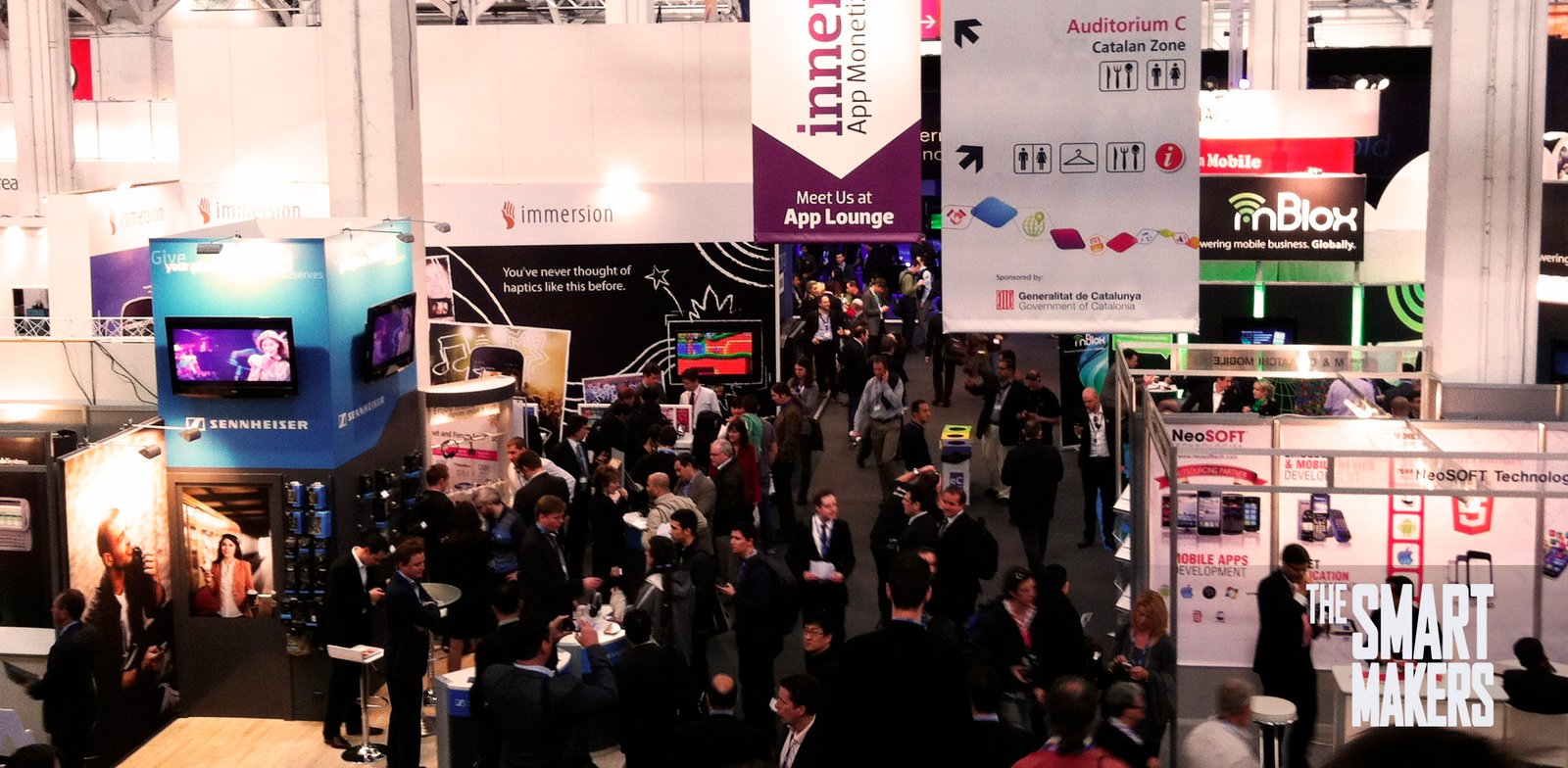
At MWC 2026, the era of the «dumb» smart device officially died. For the last five years, mobile trade shows have felt like a predictable echo chamber: a 10% faster processor here, a slightly brighter screen there. But walking the floors of the Fira Gran Via in Barcelona this year, the shift was visceral. We are witnessing the birth of the «IQ Era», a transition from passive rectangles of glass to ambient, proactive digital agents that physically adapt to our environments.
Having spent years negotiating with overseas suppliers and agonizing over complex 3D-printed hinge prototypes in my workshop, I know firsthand the brutal reality of bringing mechanical hardware to life. Concept renders are cheap; manufacturing a motorized mechanism that survives a drop test is a nightmare. Yet, this year, industrial designers and engineers achieved the impossible, blending agentic AI directly into the physical architecture of the hardware.
Here are the six most fascinating, rule-breaking products from MWC 2026 that prove the future of industrial design is anything but boring.
1. Honor «Robot Phone»
The Mechanical Marvel
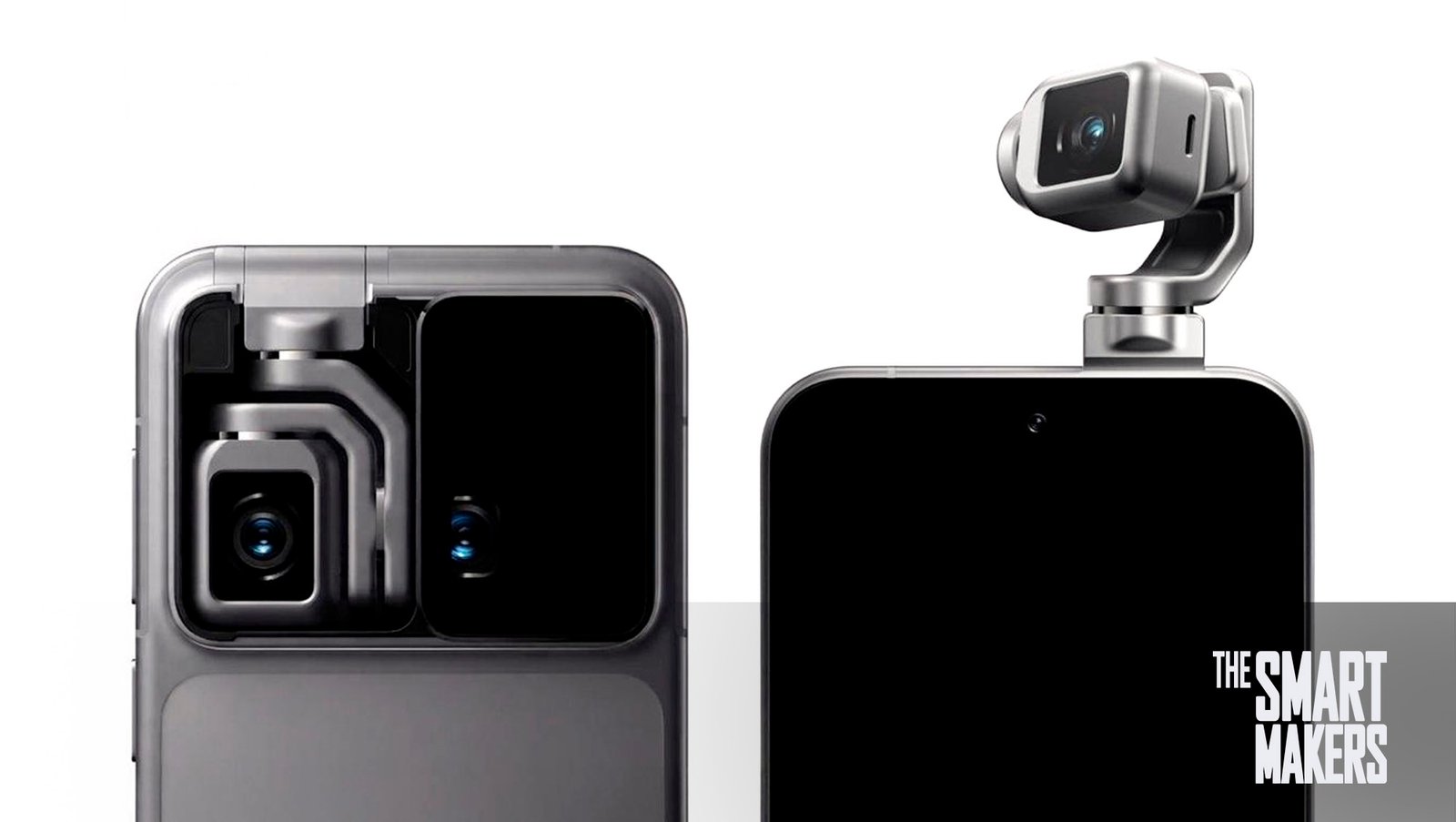
In a market drowning in homogenous slabs, Honor threw a massive curveball. Their new «Robot Phone» features a retractable, motorized camera arm housing a 200MP sensor. It uses a tiny four-degrees-of-freedom (4DoF) mechanical gimbal system to physically track subjects and stabilize footage hands-free.
From a manufacturing standpoint, this is pure madness. Integrating moving mechanical parts into a device that lives in lint-filled pockets is notoriously difficult. But Honor paired this hardware with an «AI multi-modal brain» that allows the phone to execute autonomous tracking actions with lifelike precision.
The Maker Takeaway: AI isn’t just generating text anymore; it’s driving physical actuators. This blurs the line between smartphone and robotics, opening up entirely new use cases for solo creators.
2. Samsung Galaxy S26 Ultra
The Practical Innovator
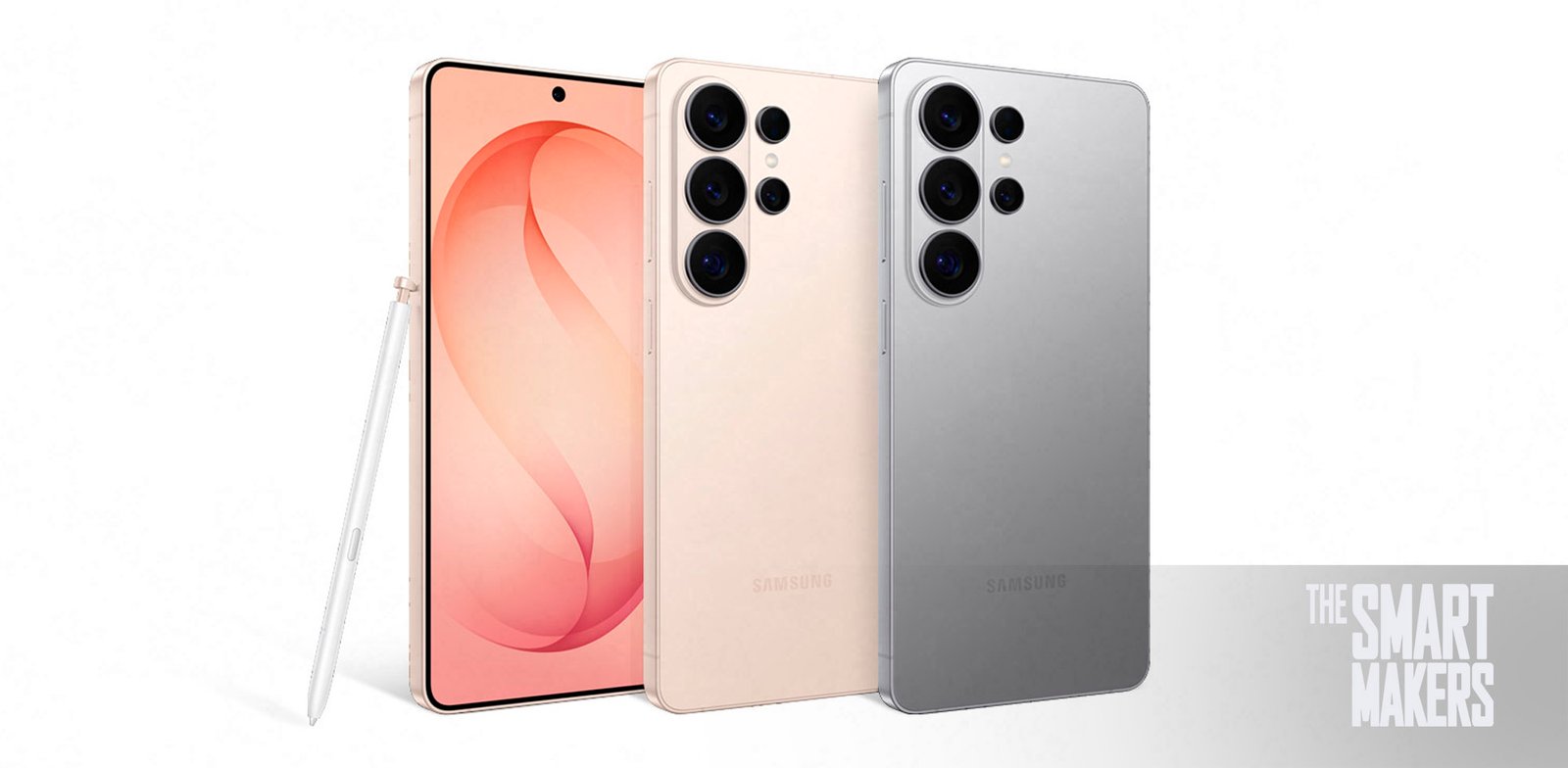
Samsung didn’t just rely on the massive Snapdragon 8 Elite Gen 5 processor to sell the S26 Ultra; they solved a deeply human problem. They introduced a hardware-level «Privacy Display» powered by Flex Magic Pixel (FMP) technology.
Instead of slapping a cheap, bubbling plastic privacy protector on your screen, the display itself controls how different pixels emit light. Look at it dead-on, and it’s crystal clear. Look at it from an angle, and it blacks out entirely. You can toggle this feature right from the quick settings.
The Maker Takeaway: The best industrial design solves invisible friction. Samsung used advanced materials science to eliminate the need for a third-party accessory, proving that privacy is now a hardware feature.
3. Motorola Razr Fold
The Productivity Beast
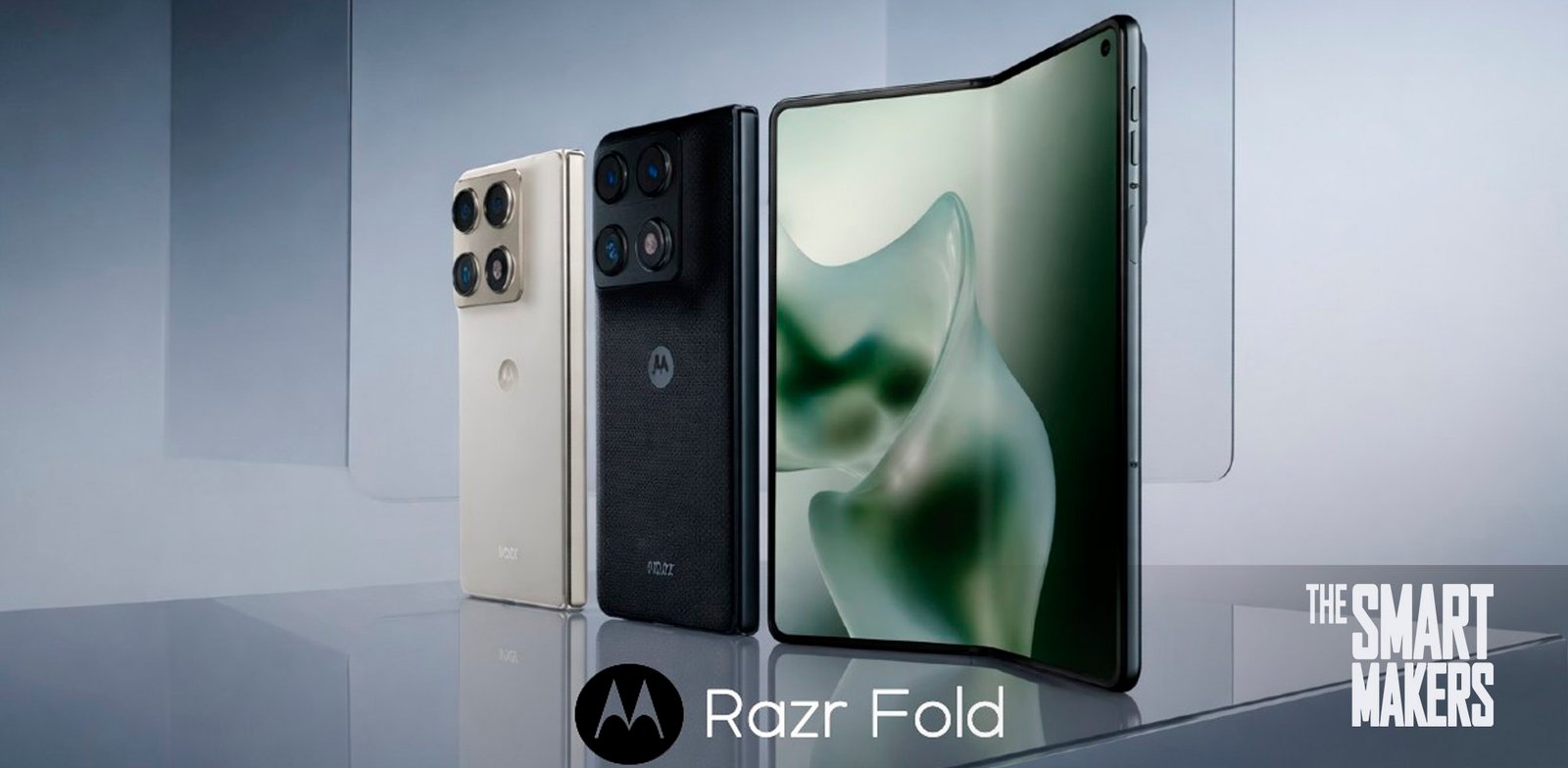
Motorola stepped out of the clamshell nostalgia lane and dropped a book-style foldable that genuinely threatens the Galaxy Z Fold series. The Razr Fold boasts a massive 8.09-inch internal 2K LTPO display and an absurd 6,000 mAh silicon-carbon battery.
When I am tweaking CAD files or reviewing factory spec sheets on the go, screen real estate is everything. The Razr Fold utilizes multi-brand AI integration and feels undeniably premium, leaning heavily into the productivity and creative professional markets.
4. Xiaomi 17 Ultra
The Camera That Makes Calls
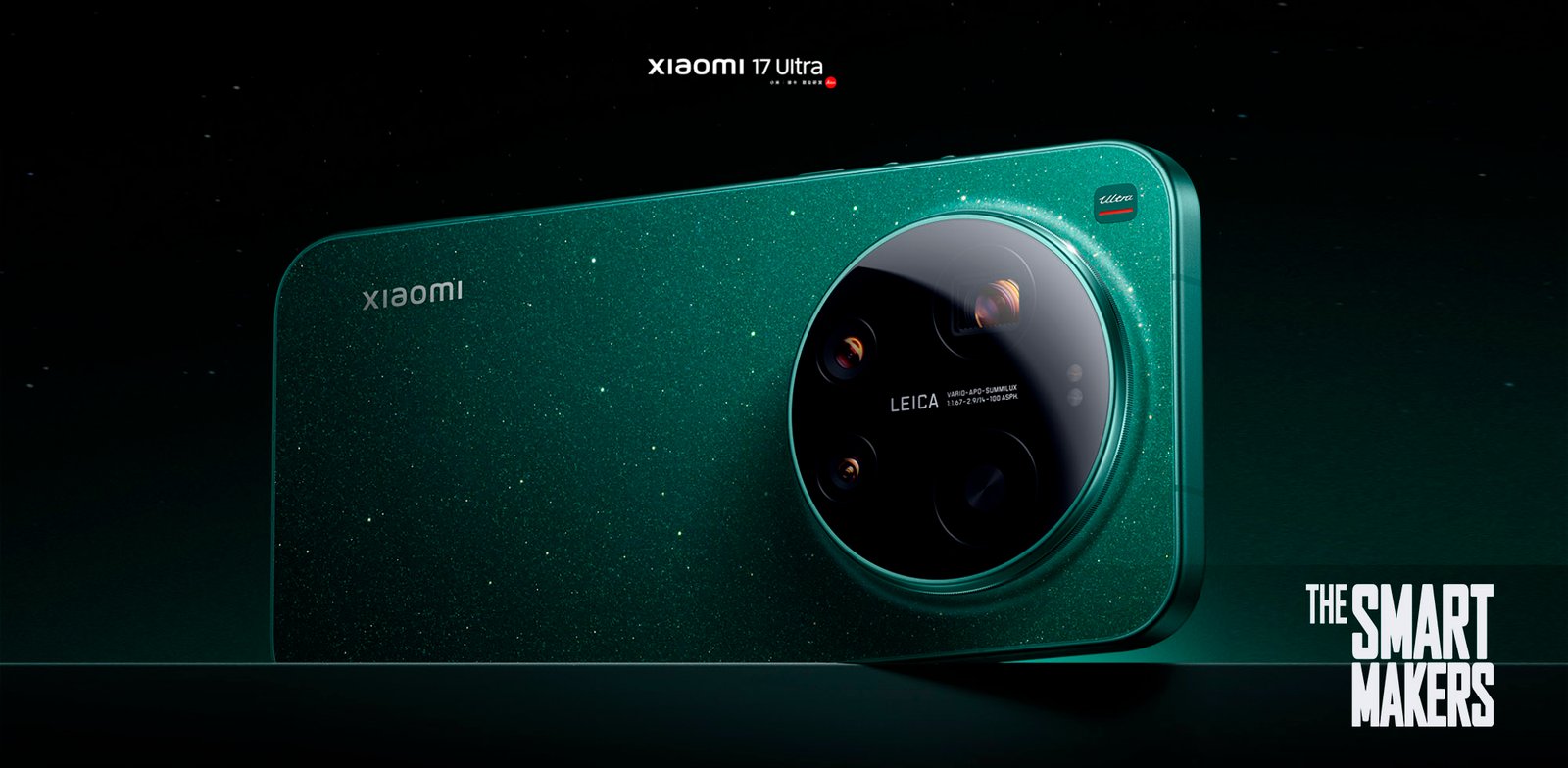
We’ve said «phones are replacing cameras» for a decade, but the Xiaomi 17 Ultra takes it literally. Co-engineered under a new «Strategic Co-creation Model» with Leica, this device was built from the ground up to challenge traditional point-and-shoots.
It ditches the standard smartphone aesthetic for a grip-heavy, lens-dominant design. It doesn’t just take computational photos; it captures raw, optical depth that usually requires a heavy rig. It is unapologetically niche, prioritizing photography ergonomics over slim pocketability.
The Maker Takeaway: Don’t be afraid to alienate the general public to deeply serve a specific demographic. Xiaomi built a tool for photographers, and it shows in every millimeter of the casing.
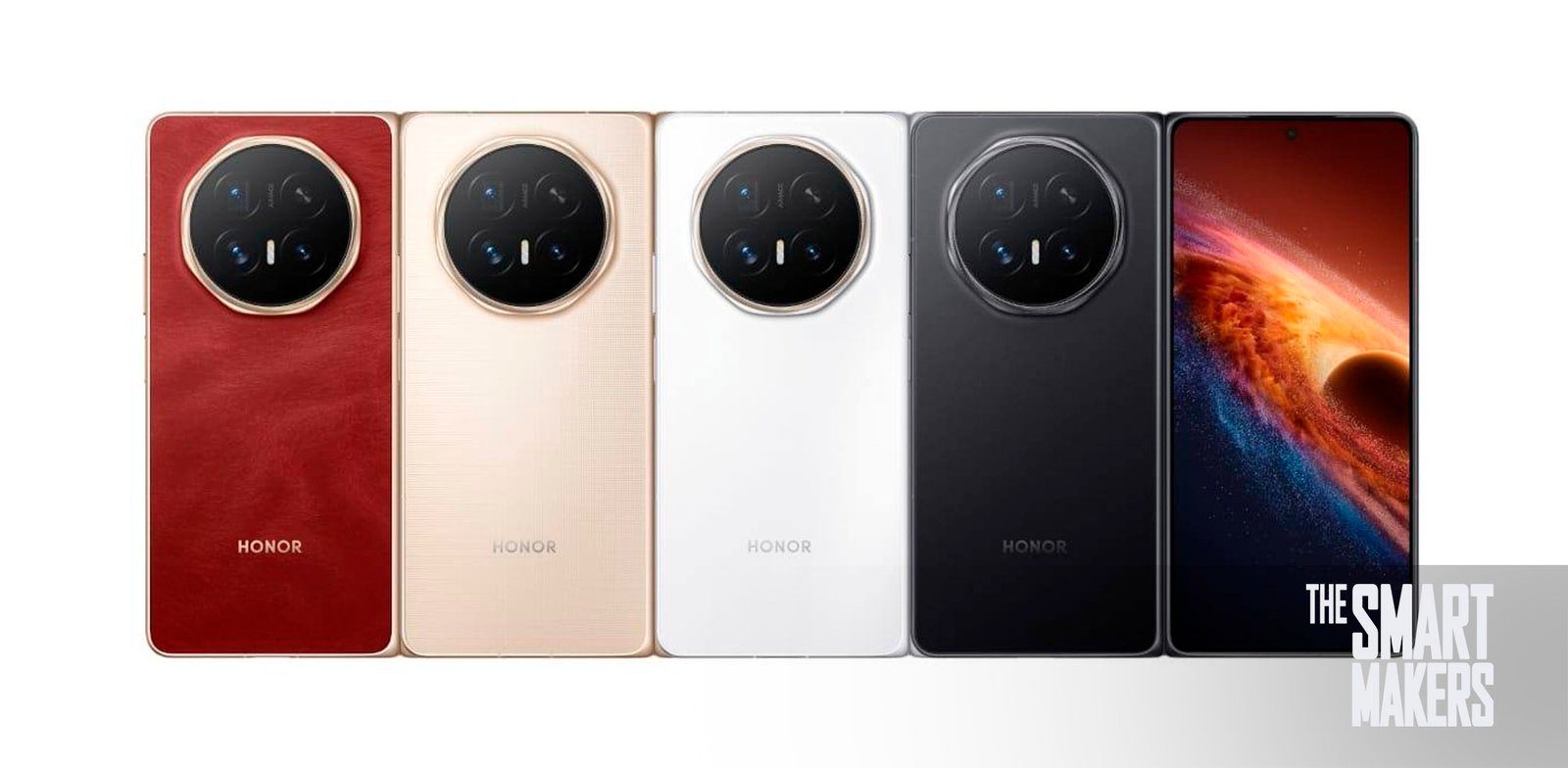
5. Honor Magic V6
The Impossible Foldable
Honor took home the crown for the «world’s thinnest and most durable foldable» yet again. The Magic V6 offers the dimensions, thickness, and imaging of a traditional candy-bar phone, but unfolds into a massive tablet.
As a guy who spends hours in a dust-covered workshop trying to shave millimeters off 3D-printed enclosures, looking at the Magic V6 makes my head spin. To pack a high-capacity battery and a reinforced hinge into a chassis this thin requires supply chain mastery and zero-tolerance machining that is nothing short of miraculous.
6. Context-Aware Smart Glasses
The Wearable Wildcards
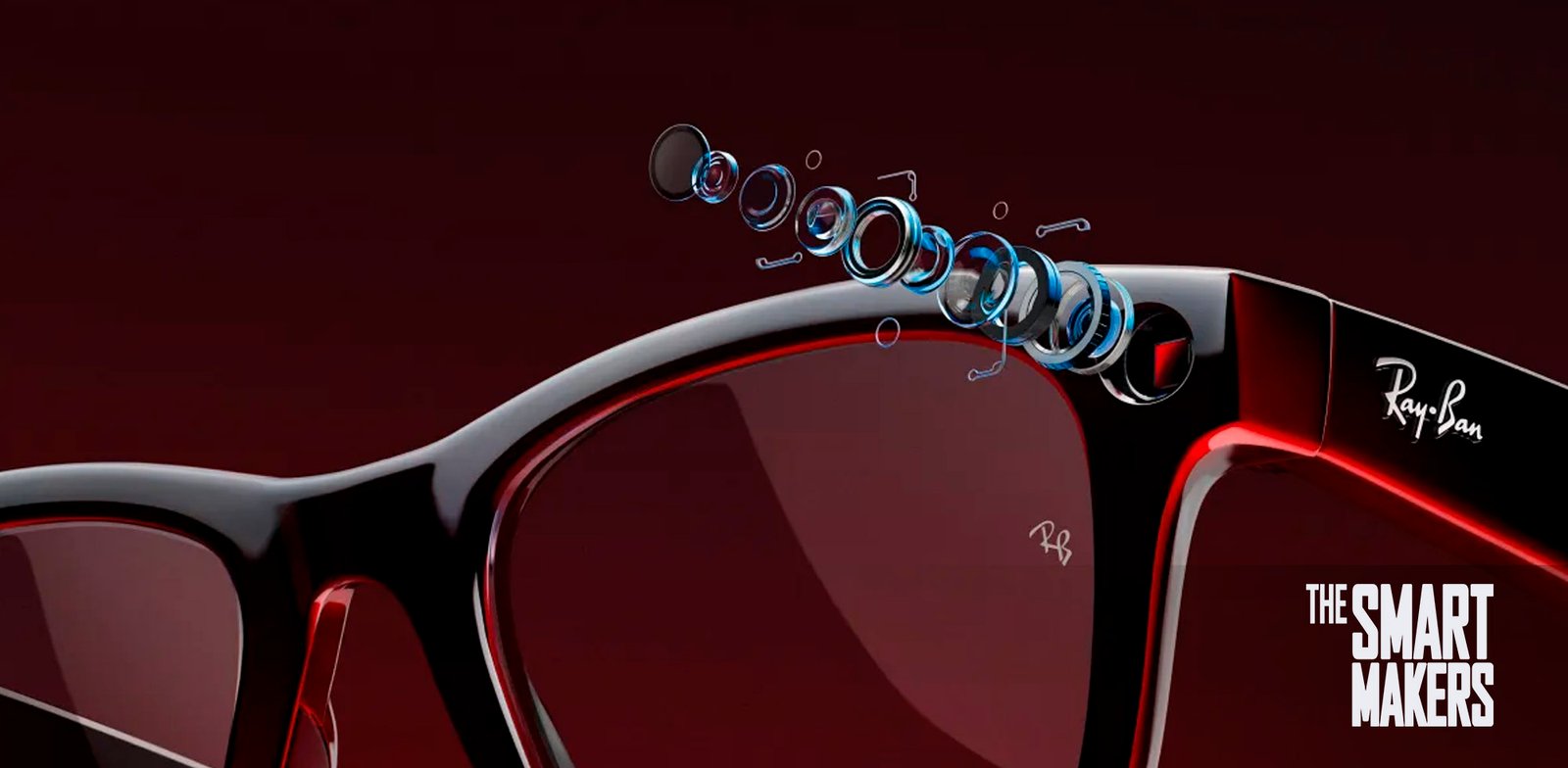
While phones dominated the headlines, the wearables at MWC 2026 proved that face-computers are finally ready for prime time. We saw Batman-style superhero specs, emotion-reading AI pins, and crystal-covered earbuds.
The standout trend wasn’t the augmented reality visuals, it was the comfort. Manufacturers have finally realized that if a device gives you a headache after 20 minutes, no amount of AI integration will save it. The new smart glasses felt as lightweight as traditional Ray-Bans, making the dream of an all-day wearable AI assistant an actual reality.
The Bottom Line
MWC 2026 proved that the smartphone is no longer just a portal to the internet; it is a proactive, mechanical participant in our daily lives.
We are moving away from the era of «feature bloat» and into an era of «ambient utility.» Whether it is a motorized lens that tracks your movement, a display that physically blocks wandering eyes, or hinges that defy the laws of physics, AI is no longer just a cloud-based software trick. It is dictating the physical constraints and capabilities of industrial design.
For creators, designers, and e-commerce entrepreneurs, the playbook is changing. We aren’t just designing static products anymore. We are designing physical vessels for artificial intelligence. And if this year’s MWC is any indication, the future is going to be incredibly fun to build.
About the Author: I am a professional Industrial Designer, e-commerce entrepreneur, and design team manager. With over 20 years of experience bridging the gap between sketching, CAD, and manufacturing, I now explore how Artificial Intelligence is reshaping the way we build physical and digital products.