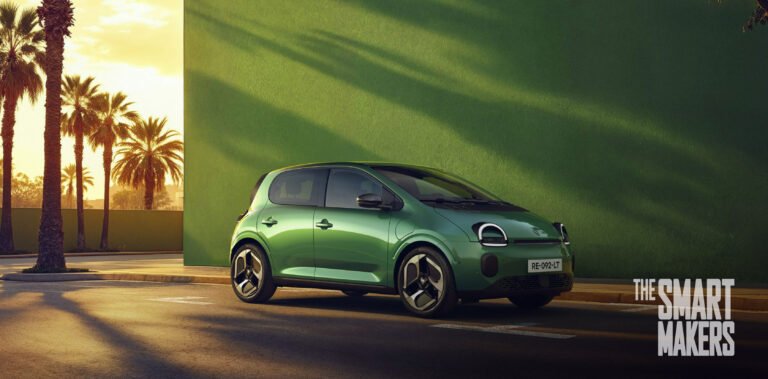
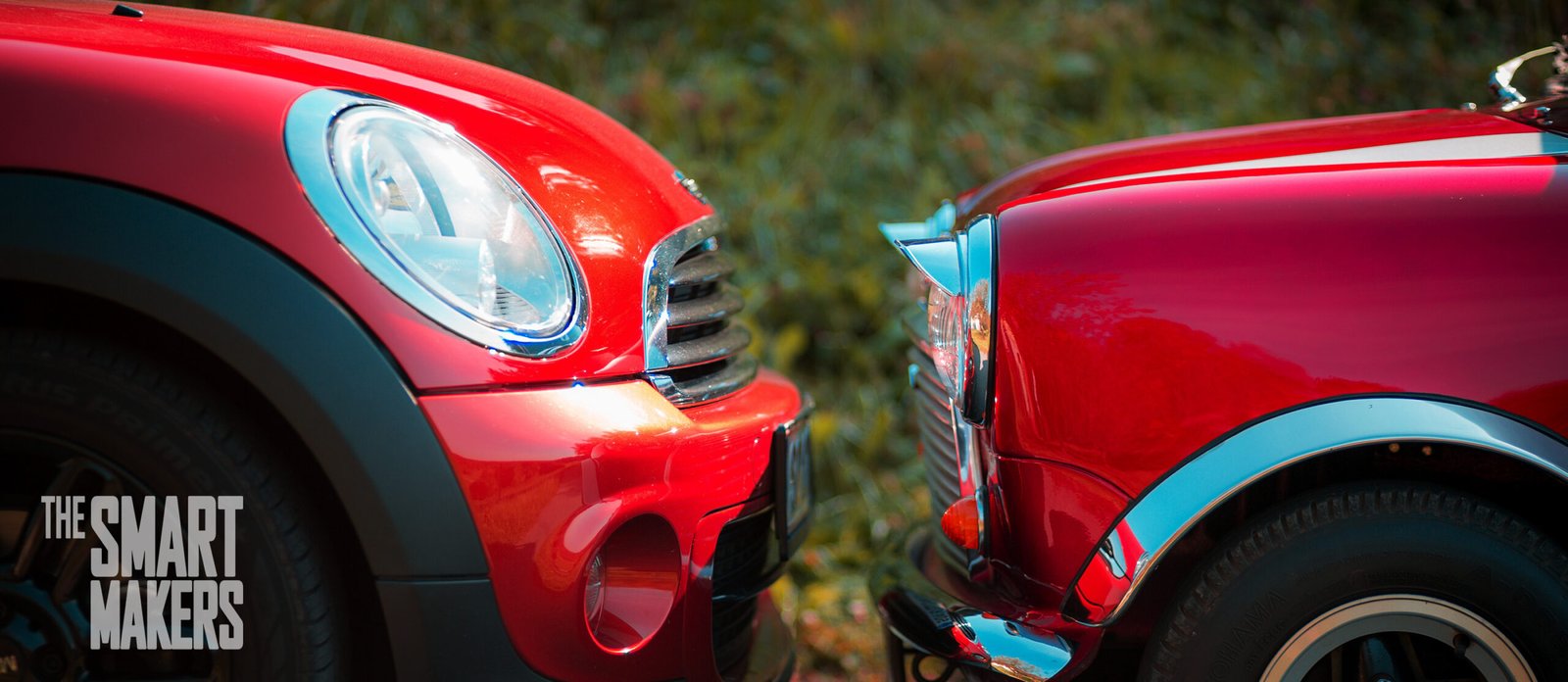
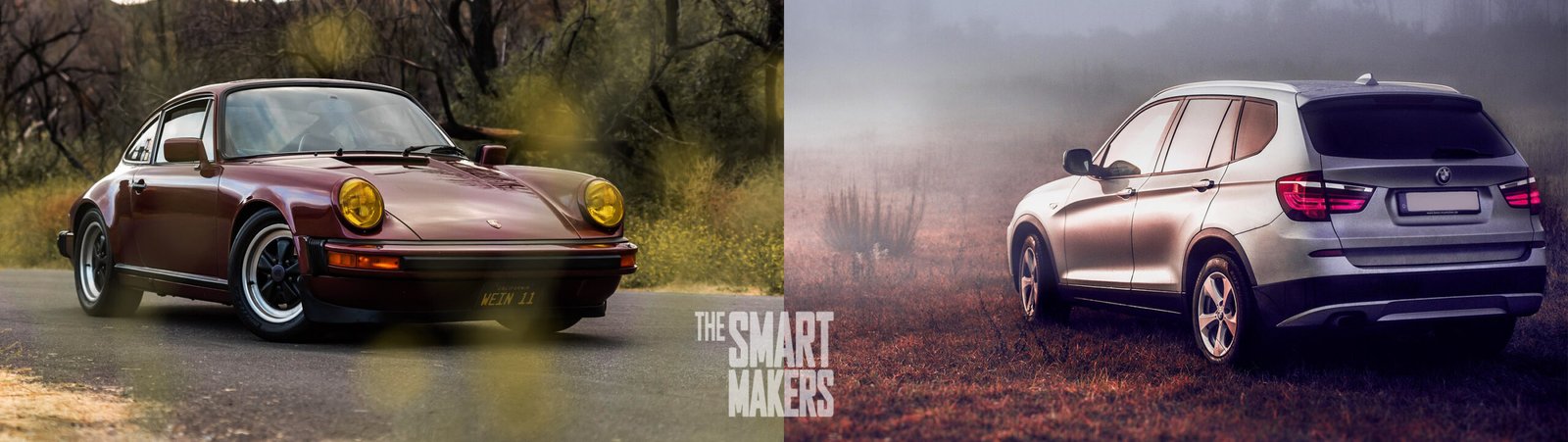
Since I was 10 years old, I’ve been obsessed with cars. I used to fill up sketchbooks with aggressive, wildly distinct concepts, vehicles with undeniable personality. Today, when I look out at the road, I just see a parade of identical, soap-bar SUVs.
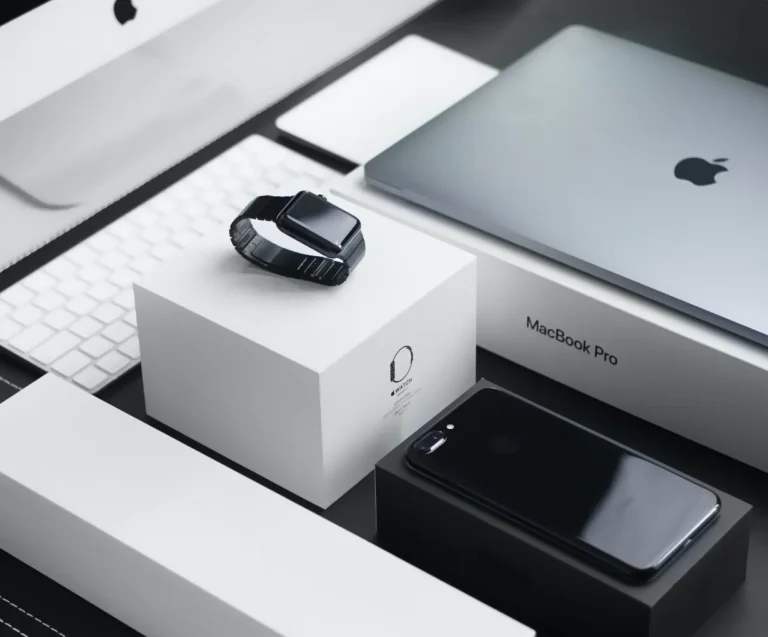
And it’s not just cars. Smartphones are the exact same glass rectangles. Modern houses look like they were ordered from the same minimalist catalog. Home appliances are completely devoid of soul.
Everything seems to meet in the exact same, aggressively boring spot. Everyone is playing it safe.
As someone who manages a team of industrial designers at a large corporation, I see exactly how this happens. But as a creator, it exhausts me. Let’s talk about why the world became so visually monotonous, and why I believe we are standing on the edge of the greatest creative rebirth in modern history.
The Optimization Trap
Why does everything look the same? It’s easy to blame corporate greed or globalization. When you design a product to appeal to everyone across the globe, you end up designing something that offends no one.
But I think it goes deeper. Our design language is a reflection of our society.
For the last couple of decades, we have collectively craved comfort. We wanted safety. We were not looking for radical change; we wanted the status quo. Corporate boards minimized risk, and designers were forced to optimize for manufacturing efficiency over emotional resonance.
We optimized the soul out of our products. If you want to dive deep into how industrial design lost its edge to corporate optimization, I highly recommend reading The Design of Everyday Things.
The Pendulum Swings Back
If history has shown us anything, it’s that everything operates in cycles. We are currently sitting at the absolute peak of «safe design.» The only direction left to go is toward the unexpected.
In my own studio projects and through my e-commerce store, I’m already seeing the shift. Consumers are tired of beige. They are buying custom-designed prints and merchandise that makes them feel something. Customisation is gaining traction, modular designs, customized colorways, upgrade possibilities. They want personality.
We are primed for a rebirth of creativity. We are ready for crazy new solutions. And ironically, the tool that will fuel this wildly human renaissance is probably, a machine. Still, human creativity is an inmensely powerful superpower we (all) have, AI can help us, but we have to safe ourselves.
We Are the Guardians of Good Taste
If AI can generate a thousand ideas a minute, what is the designer’s job then?
We are the guardians of good taste. AI doesn’t have a childhood. It didn’t grow up obsessing over cars. It doesn’t understand the physical sensation of holding a beautifully weighted object. We do. We bring the emotional intelligence, the cultural nuance, and the personal experiences into the choice-making process that AI simply cannot replicate. AI provides the raw, chaotic material; we sculpt it into a product that connects with humanity.
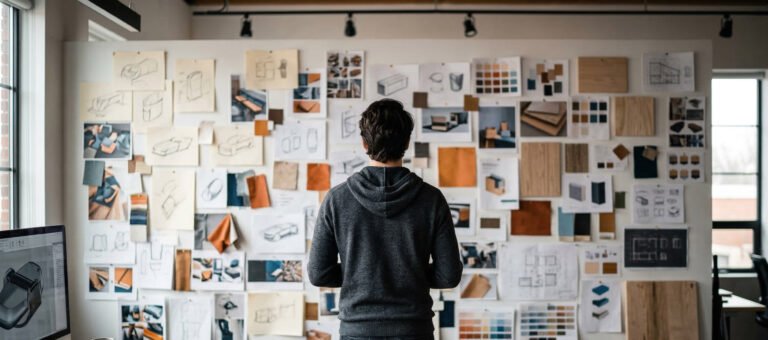
If you want to maintain that tactile connection while working with AI, you still need the right hardware. I sketch all my base concepts digitally before bringing them to my design softwares and later feeding them into AI models.
Shaping the Future
Look at the news. We are surrounded by tension, conflict, and war. It is a chaotic time to be alive.
But I sincerely hope that it is design and AI that shape our next chapter, rather than conflict. I believe we, designers have the power to build a world that is not just efficient, but beautiful, weird, and deeply human again.
The era of playing it safe is over. It’s time to start making cool things again. Make Objects Cool Again, MOCA?
Have you noticed the «sea of sameness» in products lately? What industry needs a design shake-up the most? Drop your thoughts in the comments below, or hit reply if you’re reading this via the newsletter.
About the Author: I am a professional Industrial Designer, e-commerce entrepreneur, and design team manager. With over 20 years of experience bridging the gap between sketching, CAD, and manufacturing, I now explore how Artificial Intelligence is reshaping the way we build physical and digital products.
- Designing the Antidote: How Societal Exhaustion is Shaping the Next Era of Industrial Design
- 6 Jaw-Dropping Hardware Drops from MWC 2026
- The «China Speed» Wake-Up Call: Why We Need to Stop Having Meetings and Start Building
- XPPen Artist Pro 16 (Gen 2) Review: The Ultimate 2.5K Pen Display for Illustrators and Designers?
- 4 Industrial Design Trends Dominating 2026