Over the last few years, the industrial design landscape has shifted under our feet. But here is a secret: what it takes to actually land a job on a great design team hasn’t changed all that much.
As a design manager, I sit across the table in dozens of interviews and review hundreds of portfolios every year. Let’s grab a coffee and talk about what actually makes a candidate stand out from the stack of PDFs sitting on my desk.
If you are trying to break into the industry or land your next big role, here is what is truly important right now.
Have a Portfolio (And Make It Your Own)
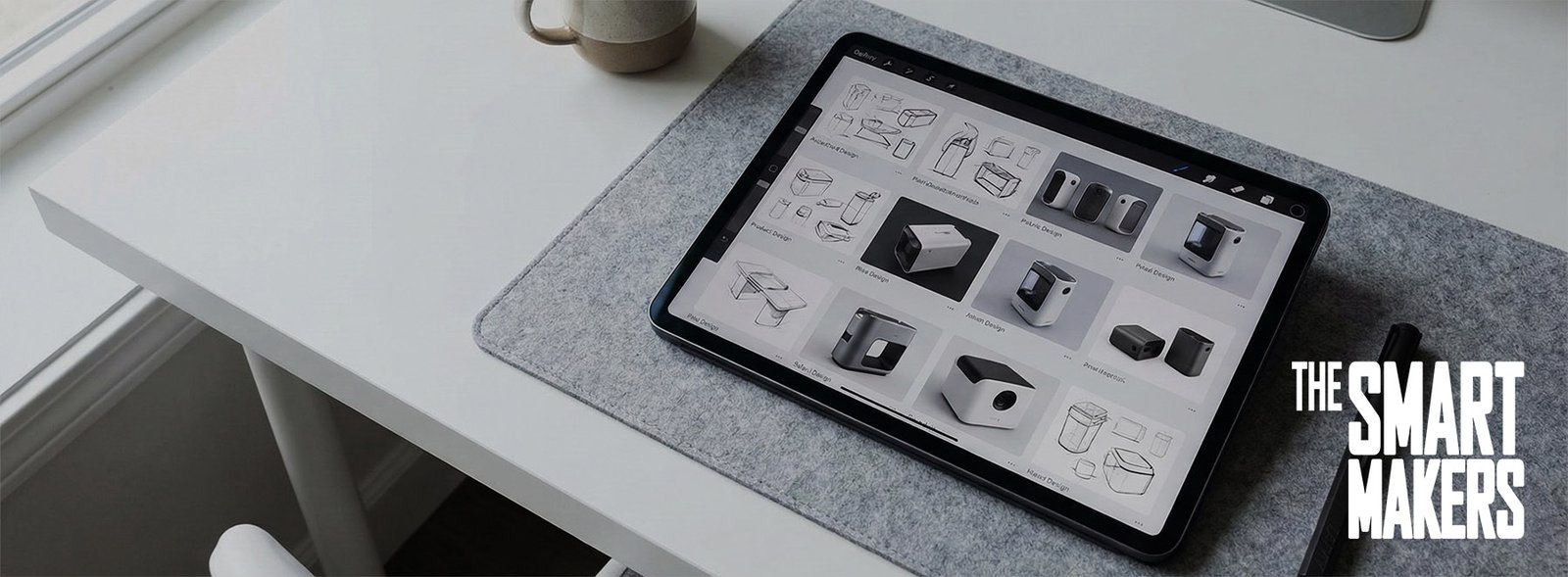
This sounds painfully obvious, but it has to be said: First, you need a portfolio. Your resume tells me where you’ve been; your portfolio shows me how you think.
But here is the trap I see 90% of junior designers fall into: they only include their university projects. If you only show the exact same brief that your 30 classmates worked on, your portfolio will look exactly like theirs.
«Your university work proves you can follow do the work. Your personal projects prove you are actually a designer.»
I really appreciate it when candidates bring a portfolio packed with personal projects. It tells me volumes about your character. It shows me what you are passionate about, what your personal aesthetic is, and how your brain works when there isn’t a professor breathing down your neck.
Need a place to host your work? Don’t overcomplicate it. Build a clean, responsive site so your work speaks for itself.
Show the Messy Middle (And Be Honest About AI)
I don’t just want to see the shiny final hero shot. I want to see the blood, sweat, and iterations.
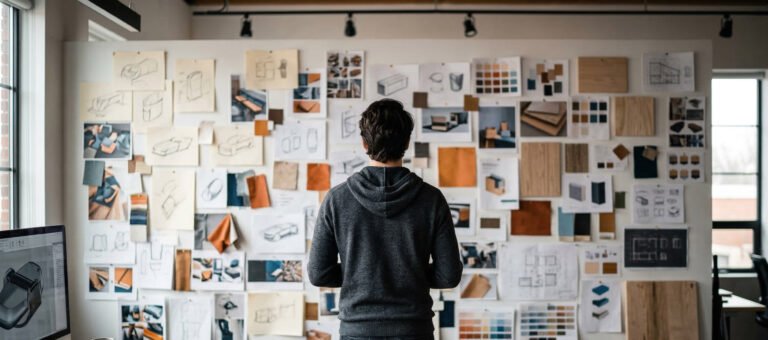
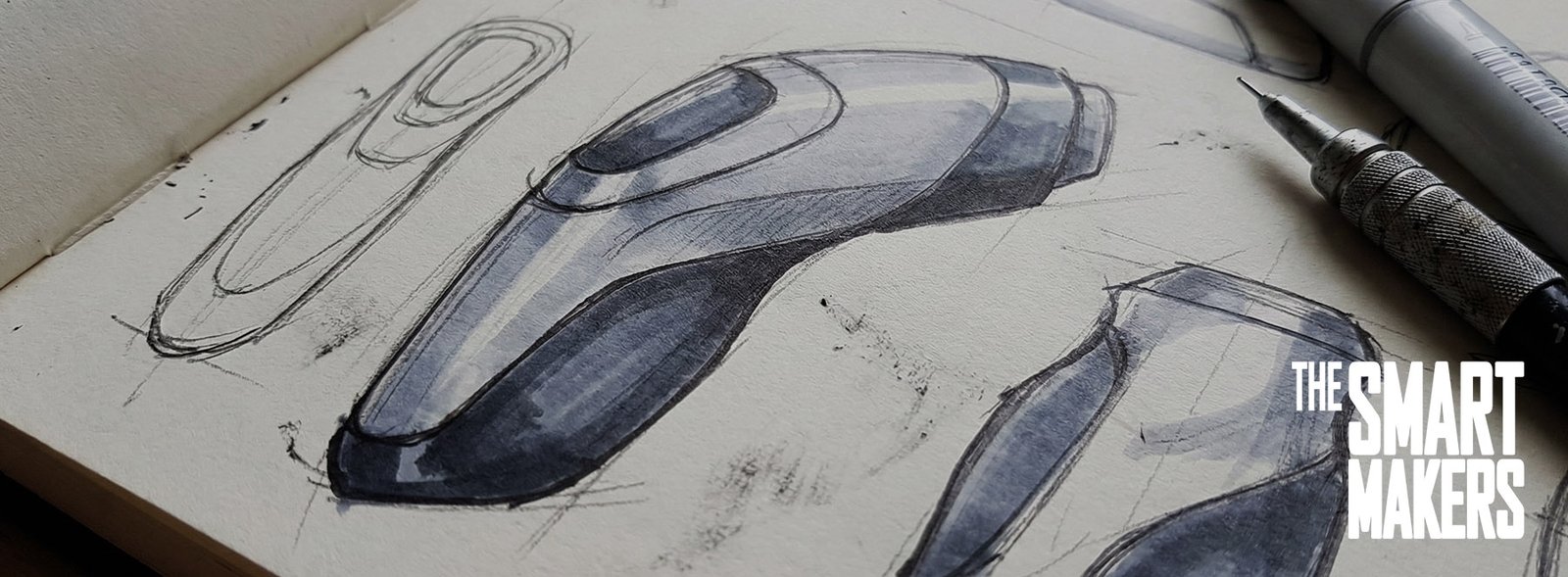
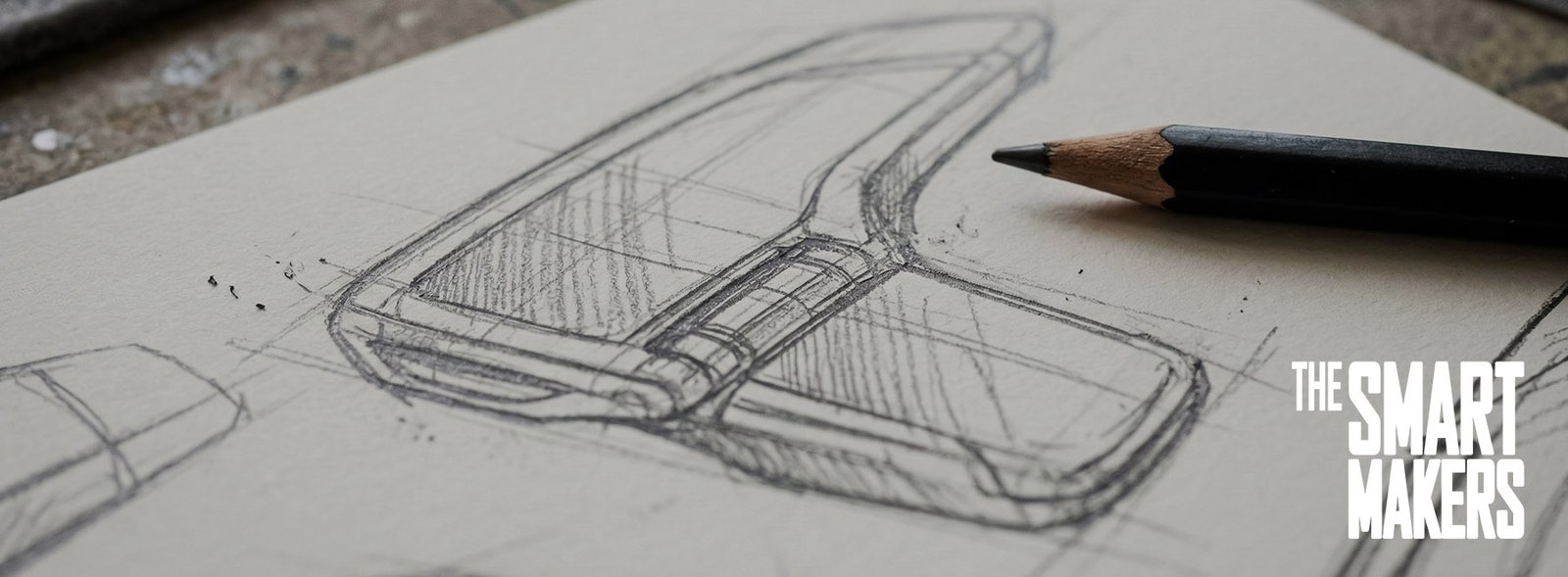
Show me the entire process. I want to see your initial messy napkin sketches, your rough CAD explorations, your 3D printing failures, and your final renders. This proves you understand how things are actually made, not just how to make things look pretty.
And yes, show your AI process. As I’ve said before, I use AI daily to blast through administrative tasks and rapid ideation. But here is the golden rule for 2026: Do not try to pass an AI render off as your own manual work. Be transparent. Say, «I used Vizcom to generate these 20 form explorations, chose this specific one, and then built the CAD from scratch.»
AI is a tool. You are the guardian of good taste. Use the tools available to you, but own the design decisions.
Who Are You Outside the Studio?
We spend a lot of time together in the design studio. I want to know the person behind the screen, not just the work.
Show me your personal interests and hobbies at the end of your portfolio or mention them in the interview. Do you restore vintage motorcycles? Are you obsessed with analog photography? Do you sew your own backpacks?
These hobbies often cross-pollinate into your design work in unexpected and valuable ways. It tells me you are curious and constantly evolving.
The Interview: Confidence, Humility, and Team Fit
When you finally land the interview, remember this balance: Be proactive and confident in your abilities, but ground everything in deep humility.
You are there to learn first. No one expects a junior or mid-level designer to know everything about complex supply chains or injection molding right out of the gate. Show genuine interest in the role and the company. Ask hard questions about how the team operates.
Ultimately, I am looking for what you can bring to the team. I want excellent, sharp work, but I also need someone who communicates well, takes critique without ego, and builds great relationships with engineering and marketing.
Above All: Love The Craft
If you take away nothing else, remember this: Love your work.
Industrial design is hard. It involves tight deadlines, complex engineering constraints, and late nights. Someone who does not love what they do will never give 100% when the project gets difficult.
Passion is the fuel that turns good designs into masterpieces. Bring that energy to your portfolio, bring it to the interview, and you will find your place in this industry.
Is there a specific project in your portfolio you aren’t sure how to present? Drop a description below and let’s talk about how to frame it.
About the Author: I am a professional Industrial Designer, e-commerce entrepreneur, and design team manager. With over 20 years of experience bridging the gap between sketching, CAD, and manufacturing, I now explore how Artificial Intelligence is reshaping the way we build physical and digital products.
- Designing the Antidote: How Societal Exhaustion is Shaping the Next Era of Industrial Design
- 6 Jaw-Dropping Hardware Drops from MWC 2026
- The «China Speed» Wake-Up Call: Why We Need to Stop Having Meetings and Start Building
- XPPen Artist Pro 16 (Gen 2) Review: The Ultimate 2.5K Pen Display for Illustrators and Designers?
- 4 Industrial Design Trends Dominating 2026