

Notice:
Transparency is important to me. Some of the links below are affiliate links.
If you choose to buy through them, I may earn a small commission at no extra cost to you.
I only recommend tools and hardware I have tested or actually use in my own workflow.
Every December, my inbox gets flooded with 100-page corporate “trend reports.” You know the ones, endless theoretical mood boards, vague buzzwords, and zero practical advice on how to actually manufacture anything.
In my studio, we don’t have time for theory.
Whether I am directing my corporate design team through an 18-month product cycle or spinning up a new 3D-printed product line for my e-commerce store over the weekend, a design trend only matters if I can actually build it.
Right now, the barrier to generating a pretty picture is zero. Anyone with a keyboard can prompt a sleek concept in seconds. But taking that digital hallucination and turning it into a physical, profitable product? That requires mechanical empathy, restraint, and a bulletproof workflow.
As designers, our job is no longer just pushing pixels or CAD surfaces. We are the Guardians of Good Taste. Our role is to curate the chaos, edit the AI’s output, and inject the human nuance that machines simply do not understand.
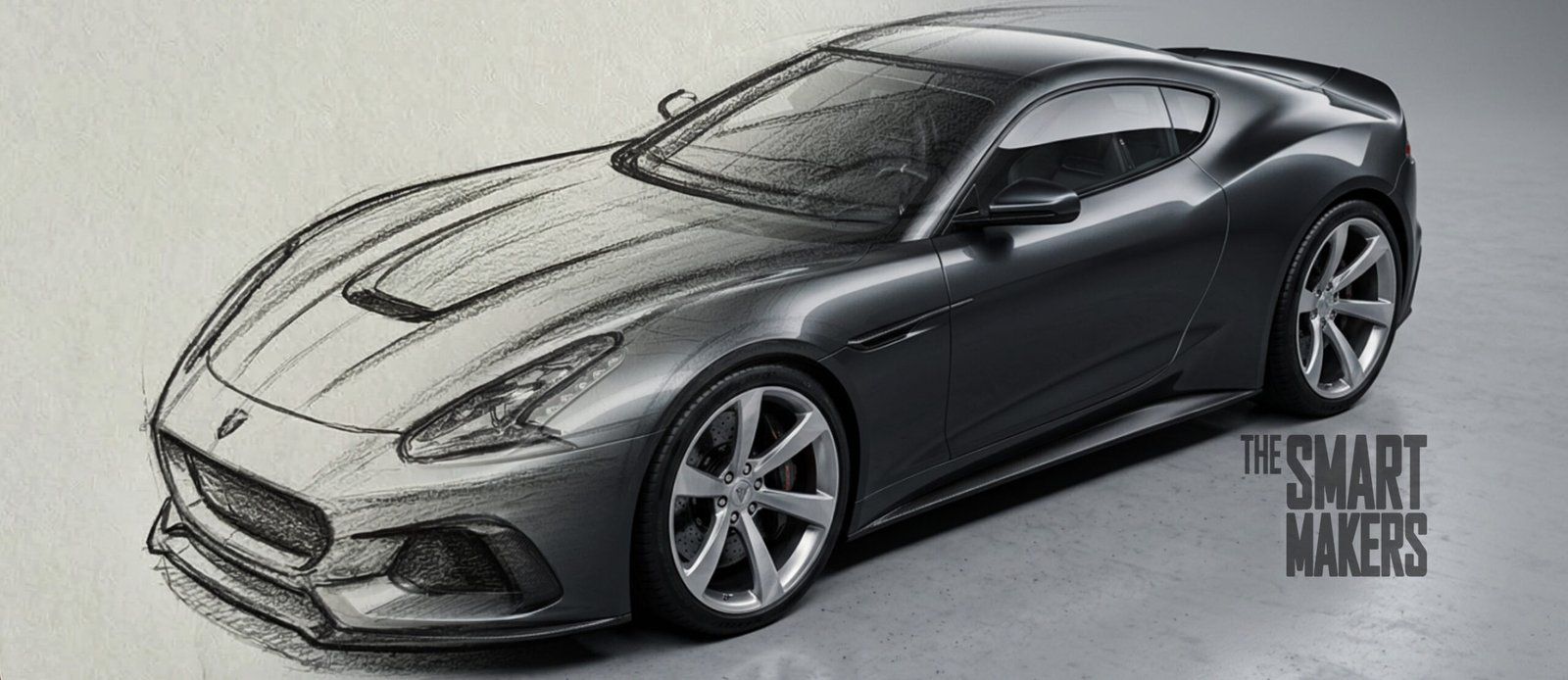
If you want to build real physical products that actually sell this year, you need to align with the cultural shifts driving consumer behavior. Here are 4 of the top industrial design trends dominating 2026, and the exact prompts my team is using to prototype them right now.
1. The Industrial Resurgence (Material Honesty)
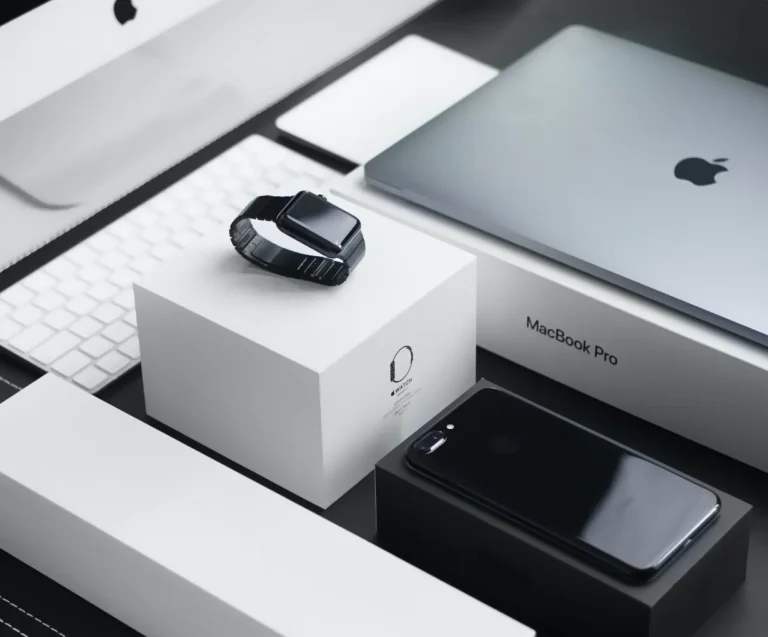
We are seeing a massive pushback against the sterile, overly polished tech that defined the early 2020s. Consumers are officially exhausted by perfect, glossy white plastic. Designers are now embracing raw materials, exposed structural elements, and a balanced mix of ruggedness and refinement.
It is about using premium materials in their natural state and letting them age gracefully. A product that shows its materials honestly builds instant trust.
- The CMF Breakdown: Charcoal, warm greys, and oxidized patinas. Think raw concrete, blackened steel, and untreated, matte finishes.
- The Maker’s Execution: Skip the injection molding for your next prototype. Focus on CNC milling raw aluminum or casting parts in concrete. Leave your weld marks visible, they are proof of human craftsmanship.
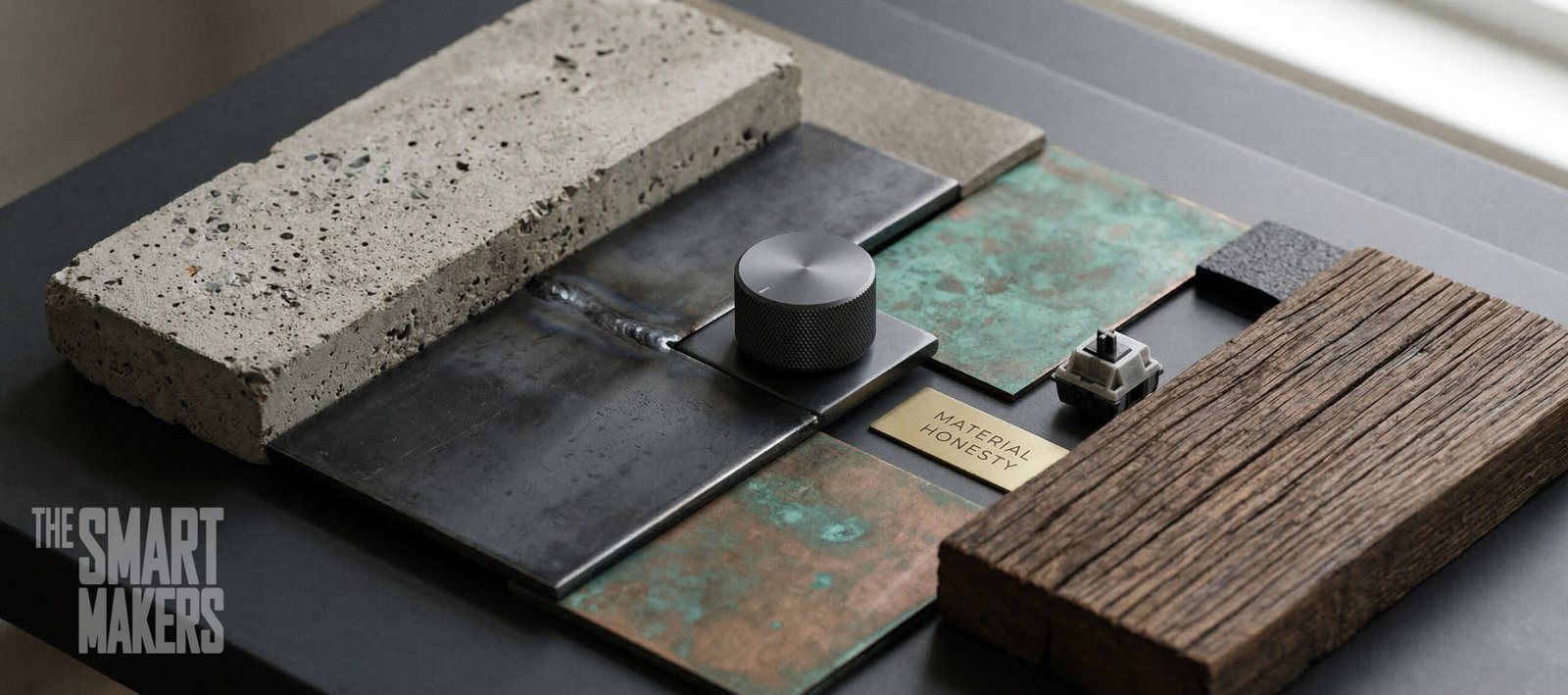
Steal My AI Prompt: “A hyper-realistic studio product shot of a [Product Name], industrial design aesthetic, featuring raw concrete base, blackened steel housing, exposed brass screws, matte finish, warm directional lighting, 8k resolution.”
2. Circular & Mono-Material Monoliths
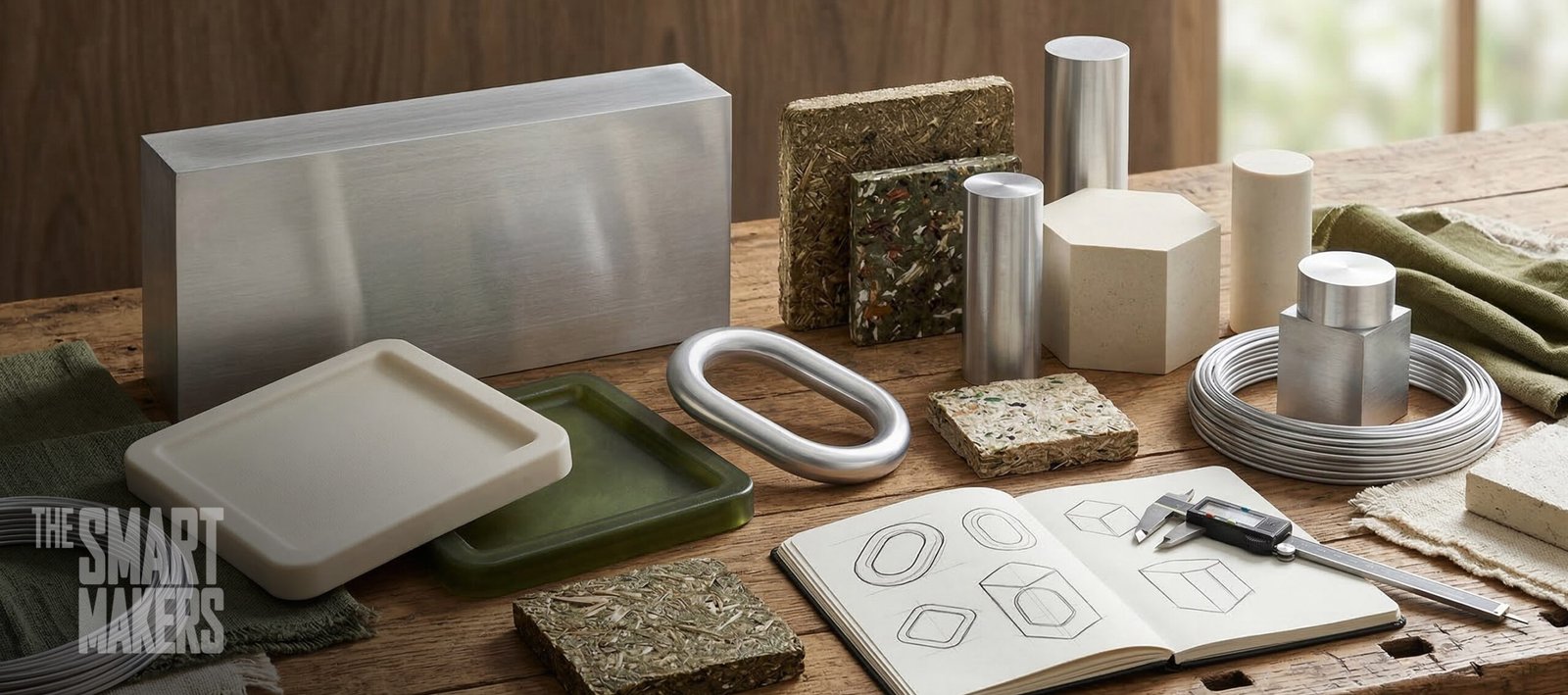
The era of linear “take, make, dispose” is dead. Circular design is now a business necessity. In 2026, we are seeing a heavy focus on products built entirely from a single material (mono-material construction) to enable seamless, high-quality recycling at the end of their life.
Environmentally conscious consumers are willing to pay a premium for companies whose values align with their own. Plus, mono-materials dramatically reduce manufacturing complexity.
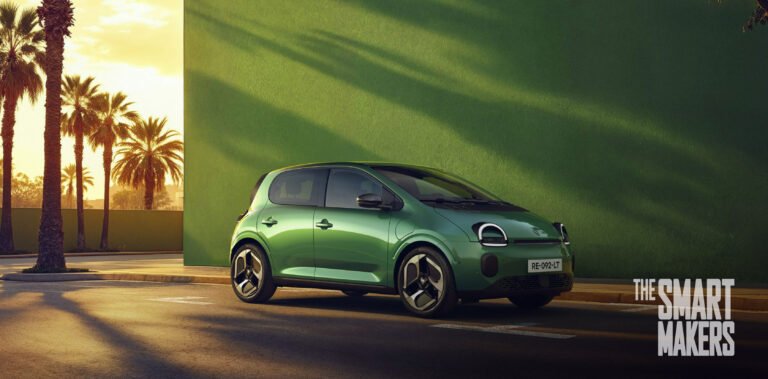
- The CMF Breakdown: Earthy greens, unbleached whites, and raw metallic tones using recycled aluminum or post-consumer PET.
- The Maker’s Execution: Design for disassembly. Avoid adhesives entirely. Use snap-fits, interlocking joints, or standardized mechanical fasteners so your product can be easily broken down.
3. Newstalgic Tech (Retro-Futurism)
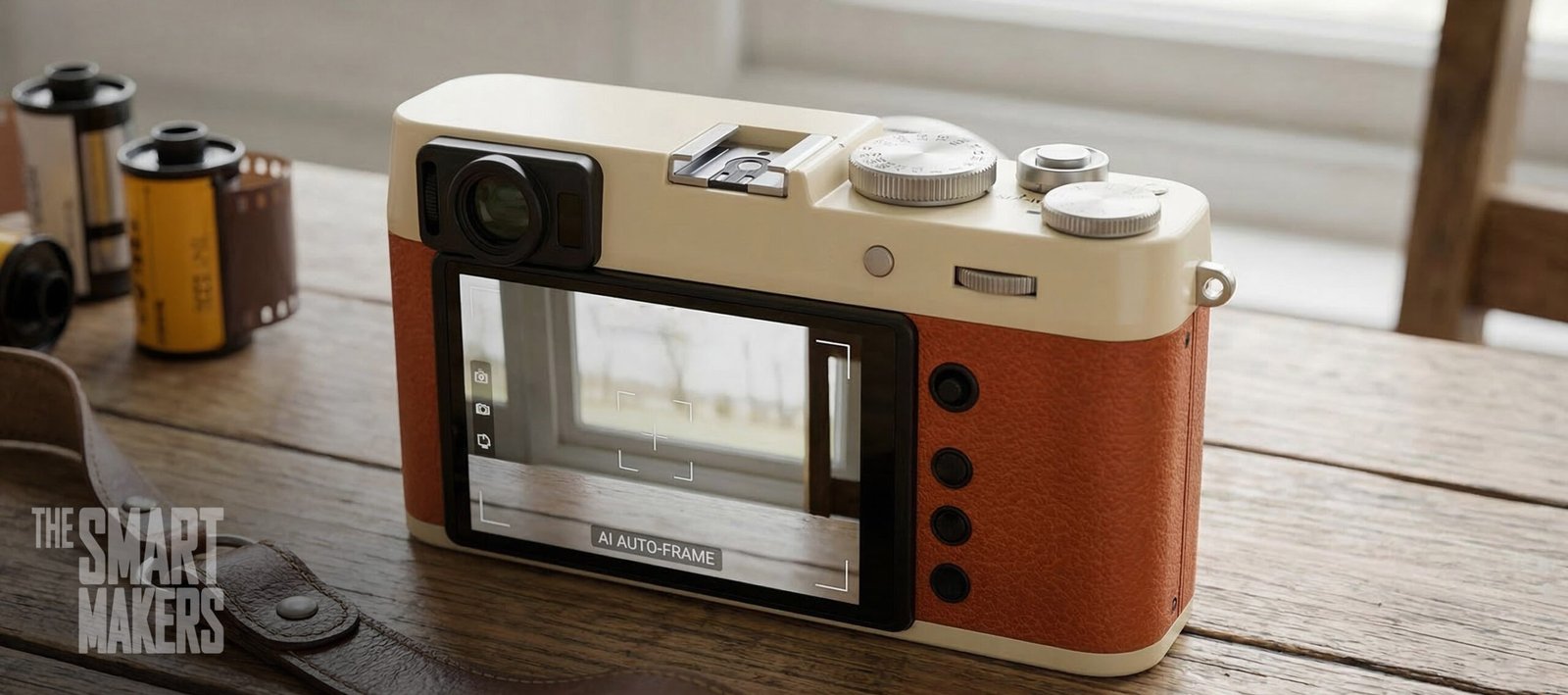
“Newstalgia” blends the comforting, analog aesthetics of the 70s, 80s, and 90s with cutting-edge 2026 technology. Think heavy mechanical switches, analog dials, and chunky silhouettes housing smart, connected brains.
In an increasingly digital and intangible world, consumers are yearning for the tactile feedback and nostalgia of their youth. It bridges the gap between emotional comfort and modern capability.
- The CMF Breakdown: Warm creams, burnt oranges, mustard yellows, and brushed silver. Heavy ABS plastics paired with vegan leather wraps.
- The Maker’s Execution: Focus heavily on the haptics. When building your prototype, source heavy-duty rotary encoders and tactile mechanical switches. The product must sound and feel retro, even if it runs on modern code.
4. The Micro-Factory Aesthetic
With additive manufacturing and desktop CNCs becoming standard, designers are no longer hiding the manufacturing process, they are celebrating it. This is the aesthetic of localized, rapid commercialization.
It proves human involvement and small-batch authenticity. It leans into the cultural shift where the designer is the manufacturer, allowing for incredibly fast iteration and unique, limited-run products.
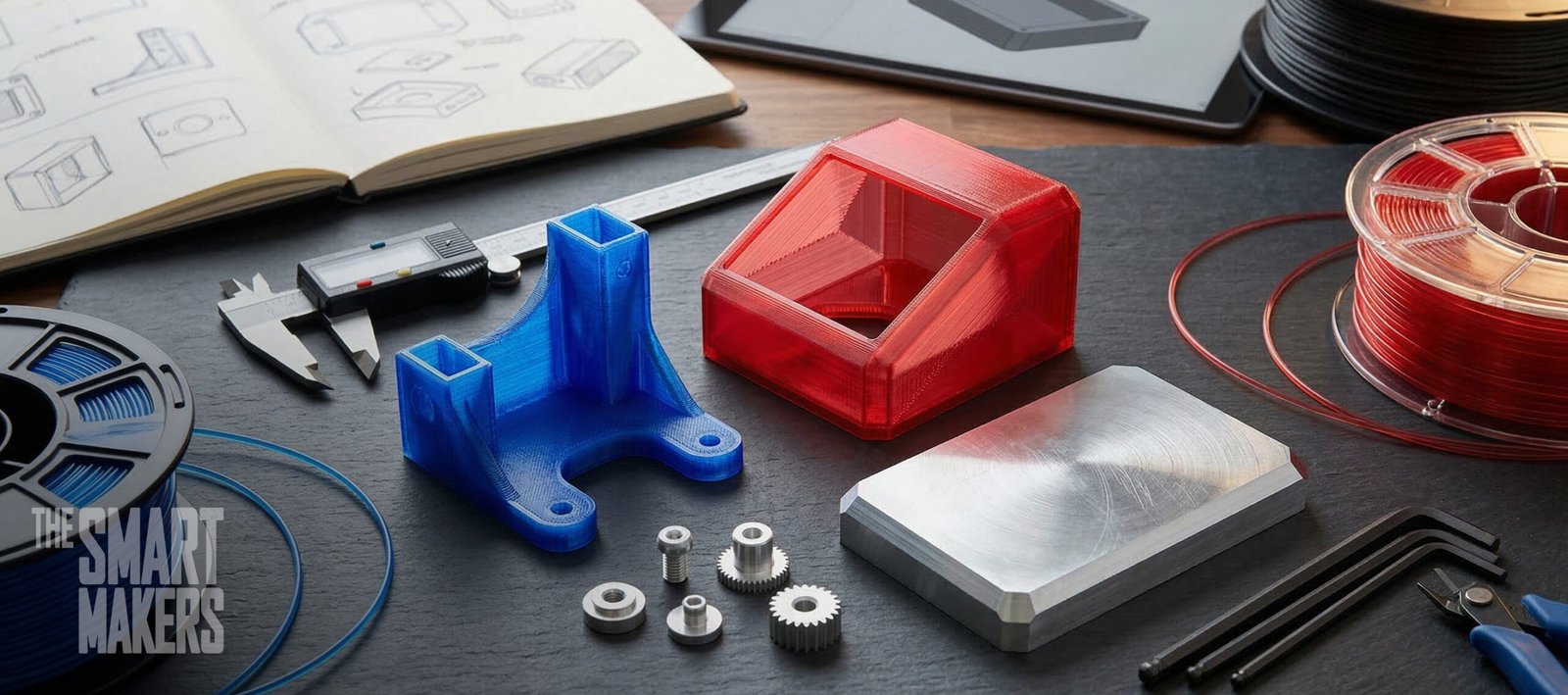
- The CMF Breakdown: Vibrant, single-color filament choices (e.g., electric blue or transparent red) using PETG or PLA blends. Raw tool marks and visible 3D print layer lines.
- The Maker’s Execution: Stop sanding your 3D prints. Instead, tune your Elegoo Centauri (my 3D printer) to produce perfect, thick, uniform layer lines. Design your CAD models with deliberate facets and tool-paths that look beautiful straight off the machine.
Want the Full 2026 Playbook?
This is just scratching the surface. In my studio, we don’t just look at mood boards—we execute.
If you want to move from prompt to prototype faster than ever, I have compiled my entire workflow into The 2026 Product Design Trends Book.
It is a comprehensive, zero-fluff guide detailing the Top 10 Trends of 2026, complete with exact Midjourney/Vizcom prompts, CMF cheat sheets, and the unvarnished 48-hour tech stack my team uses to go from an AI hallucination to a physical product ready for my Shopify store.
Normally, this is a paid guide on Gumroad, but I am giving it away for free to my readers.
Let’s build the future, one prototype at a time.
About the Author: I am a professional Industrial Designer, e-commerce entrepreneur, and design team manager. With over 20 years of experience bridging the gap between sketching, CAD, and manufacturing, I now explore how Artificial Intelligence is reshaping the way we build physical and digital products.




[…] more on the latest Design Trends check my post about them, 2026 Design Trends and if you like what you see, download the full document for […]