In a design studio, the biggest bottleneck isn’t usually the ideation phase, it’s translation. We, desgners talk shapes, colors, feelings, usability, interaction. Sometimes translating all that to non-designers is a challenge on itself right? Bridging the gap between what a designer envisions and what an engineer builds is a constant battle.
We speak in renders, physical prototypes, and polished Figma files. Developers speak in React, Python, and C++.
But recently, the I face app or web design dramatically changed. I needed to create a companion app prototype for a personal board game project I’m developing. Instead of hacking together a clunky click-through presentation or waiting weeks for a developer favor, I built a fully functional web app in a single afternoon using plain English.
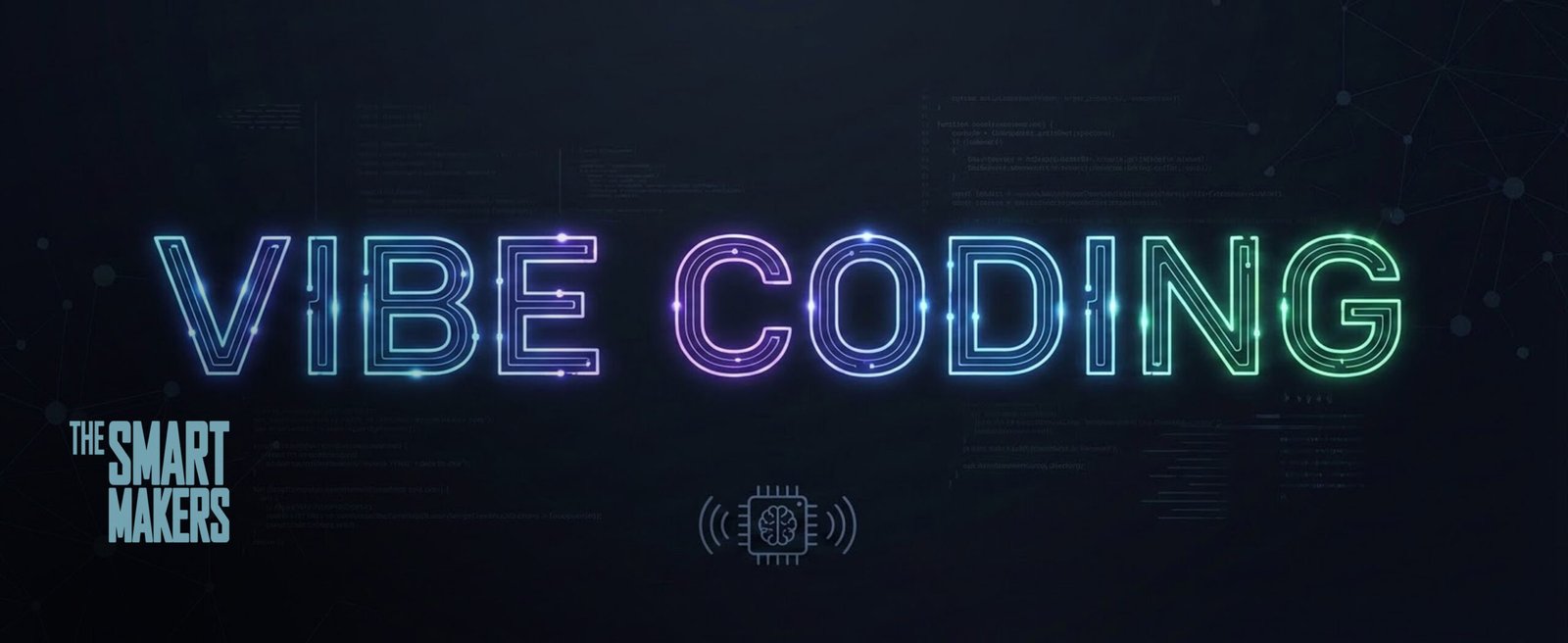
Welcome to the era of “vibe coding.”
What Actually is Vibe Coding?
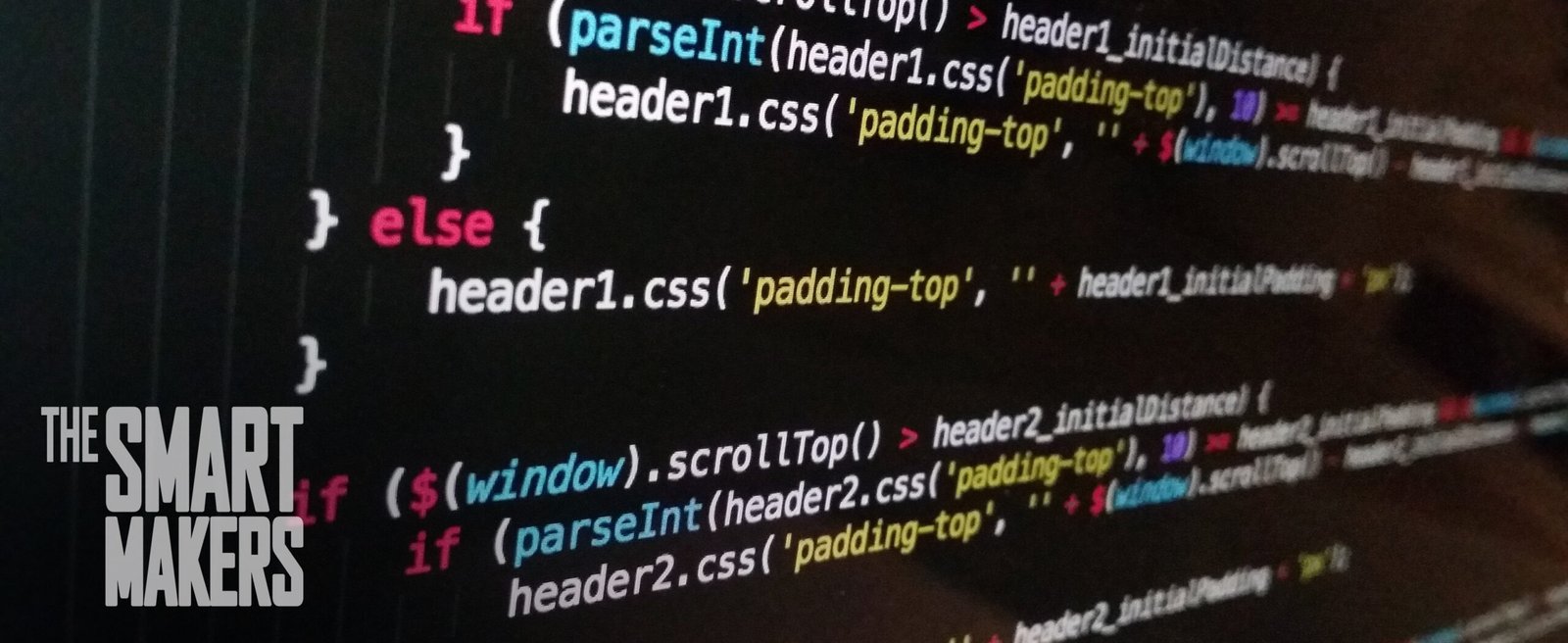
Vibe coding is the process of building functional software, websites, or apps using natural language instead of traditional programming languages. You don’t write syntax; you write prompts. You describe the “vibe,” the layout, and the logic to an AI, and it generates the code for you in real time.
As industrial designers, we are traditionally locked out of the software engineering phase. We hand over our vision and cross our fingers. Vibe coding changes that dynamic entirely, allowing us to build the functional proof-of-concept ourselves.
Why This Changes the Game for Designers
When I tested this approach with my studio team, the shift in our dynamic was immediate. Here is why you need to start vibe coding your prototypes right now:
1. Zero-Friction Communication
Have you ever tried to explain a complex micro-interaction to a developer using just static images and hand gestures? It usually ends in frustration.
Vibe coding allows you to build the actual interaction. When you hand a functioning, coded prototype to a developer, the conversation shifts from “what do you mean?” to “how do we scale this?” It establishes a shared visual language that eliminates ambiguity.
2. Drastic Time Reduction
We are no longer waiting weeks for engineering resources to build a simple proof-of-concept. For example, I recently needed a custom, highly interactive landing page to launch a new print series.
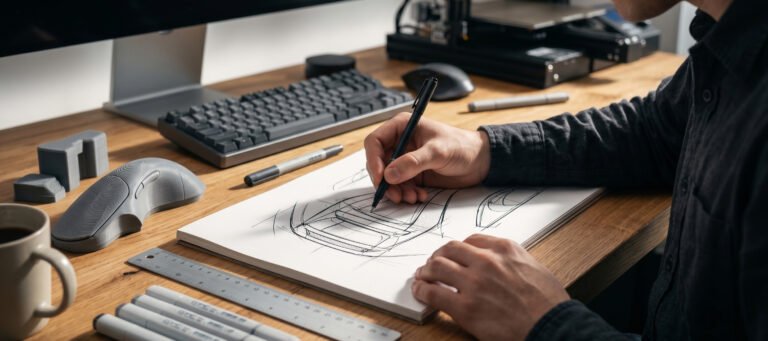
Instead of hiring a freelance developer, I used my tablet to sketch the layout, fed it to an AI, and vibe-coded the core interactions myself. I tested it and proved the concept worked before passing it off for final deployment. This cuts the prototyping phase down from weeks to hours.
3. Immediate Usability Testing
Physical product designers know that a CAD model, even a beautiful one made in Shapr3D, for example, is useless until you 3D print it and hold it in your hands. Digital products are exactly the same.
“You cannot truly test an app’s ergonomics until you can tap the buttons and feel the logic flow.”
Vibe coding gives you a tangible digital product to put in front of users immediately.
The Risks: Where Vibe Coding Falls Short
Before you fire your entire dev team, let’s get real. Vibe coding is incredibly powerful, but it is not a silver bullet. My team found a few massive pitfalls you need to avoid.
The Code is a Mess (Under the Hood)
AI writes code like a brute-force machine. It often creates “spaghetti code” that is bloated, inefficient, and impossible to maintain long-term.
Do not mistake a vibe-coded prototype for production-ready software. It is a sketch. Treat it like a foam model, great for proving the form and function, but terrible for actual manufacturing.
The Illusion of Completeness
Because vibe-coded apps look finished, stakeholders might assume they are finished. They don’t see the lack of security protocols, database architecture, or edge-case handling.
You must set strict expectations. Remind your team that this is a high-fidelity prototype, not a finished product ready for launch.
AI Lacks “Taste”
This is the most critical point. AI can generate a button, but it doesn’t know why that button should exist or how it makes the user feel.
AI will not replace designers. It lacks the emotional intelligence, cultural nuance, and personal experiences that define great design.
We Are the Guardians of Good Taste
In this fast-changing world, your value is no longer tied to how fast you can generate options. AI can generate a thousand layouts in seconds.
Your value lies in your ability to choose. We are the guardians of good taste. We curate, we direct, and we inject the human element into the raw material that AI provides.
Vibe coding is just another tool in your arsenal. It empowers you to build faster and communicate clearer. But the soul of the product? That still comes entirely from you.
Maker Tip: Start Vibe Coding Today
Want to try it yourself? Open a tool like Claude (using the Artifacts feature) or Google Antigravity. The Prompt: “Build a single-page responsive web app for a pomodoro timer designed for industrial designers. Use a brutalist aesthetic, high-contrast typography, and include a simple task-list feature.” Hit enter, watch the code compile visually, and start refining the taste. Welcome to the future of prototyping.
About the Author: I am a professional Industrial Designer, e-commerce entrepreneur, and design team manager. With over 20 years of experience bridging the gap between sketching, CAD, and manufacturing, I now explore how Artificial Intelligence is reshaping the way we build physical and digital products.
- The 2026 iF Design Awards Prove We Are No Longer the Benchmark (And That’s a Good Thing)
- Why I Don’t Care Where You Went to Design School
- The Reality of the “Dream Job”: Is Industrial Design Still Worth It?
- Designing the Antidote: How Societal Exhaustion is Shaping the Next Era of Industrial Design
- 6 Jaw-Dropping Hardware Drops from MWC 2026